Tag Archive: love
Id B. Wells
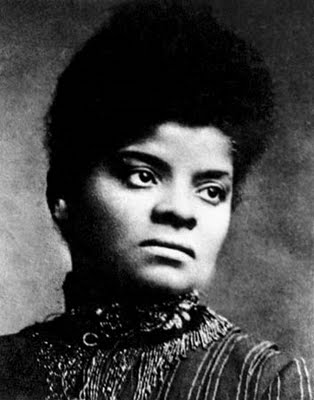
Ida B. Wells was an African American journalist, newspaper editor and, with her husband, newspaper owner Ferdinand L. Barnett, an early leader in the civil rights movement. She documented lynching in the United States, showing how it was often a way to control or punish blacks who competed with whites. She was active in the women’s rights and the women’s suffrage movement, establishing several notable women’s organizations. Wells was a skilled and persuasive rhetorician, and traveled internationally on lecture tours.
Leave a commentThe Art of Listening

Last week, colleagues Andrea Nagel, Jen Willsea and I facilitated the workshop, Fundamentals of Facilitation for Racial Justice Work for staff at the Boston Public Health Commission. One of the most powerful parts of the workshop was an exercise where participants had to listen to a view with which they disagreed without opposing, fixing or leading the speaker to another viewpoint. Challenging, to say the least! It raised a great question about not just how, but when to listen without attempting to shift anything. Like many of the workshop participants, I struggle with this practice, particularly when the speaker’s views fly in the face of realities I see and history I know, or when the very act of listening seems to give comfort to views that diminish my humanity. The struggle brought me back to a classic essay, “The Art of Listening,” by feminist author Brenda Ueland.
Leave a commentWheels

The following is a letter by Akaya Windwood, President of the Rockwood Leadership Institute and member of the IISC Board of Directors.
A couple of weeks ago, a friend and I (two gray-haired women) went downtown to support the youngsters Occupying Wall Street here in Oakland. The night was wet, but there were plenty of folks out with signs, songs, speeches and goodwill.
Leave a commentLove
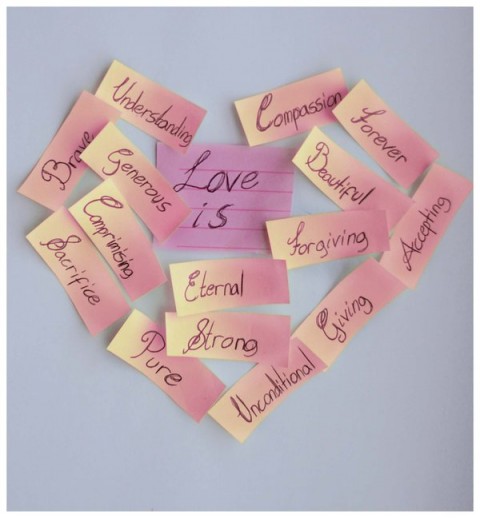
An emergent collaborative spoken word poem by IISC staff.
You find yourself walking
there’s focus and intention
in appreciation of each soul’s journey
an openness to what we don’t know
and ever surrendering to the confusion of conviction
unfolding, becoming, self-giving
you notice the beauty of all that’s connected
and then you think about love
it flows forth and around
and through play
you can hear it, you can see it
supports justice whether its for you or against you
binding us and guiding us
and suddenly your heart opens wide
so that you can listen fully, be present fully- right where you are
so that what is unimaginable is possible.
Leave a commentSolidarity with Occupy Boston
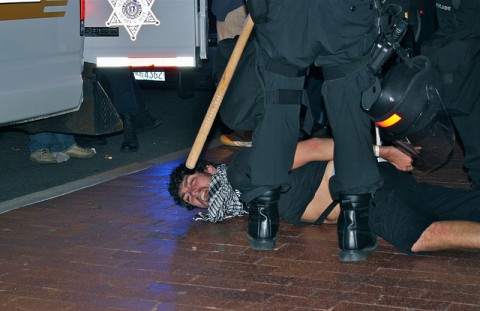
More than one hundred Occupy Boston activists were arrested last night for acts of civil disobedience. We stand in solidarity with this local expression of the growing national effort to expose the economic injustices that have come to plague our democracy. Please contribute legal aid to Occupy Boston – donate here.
Leave a commentWhat kind of elders do we need?
The first person I met when I went to Dewey Square was a mom, about my age, who came down to see what her son was involved with. I have sons in this age range myself. Occupy Boston has me thinking a lot about what kind of elders we need and what kind of elder I hope to be.
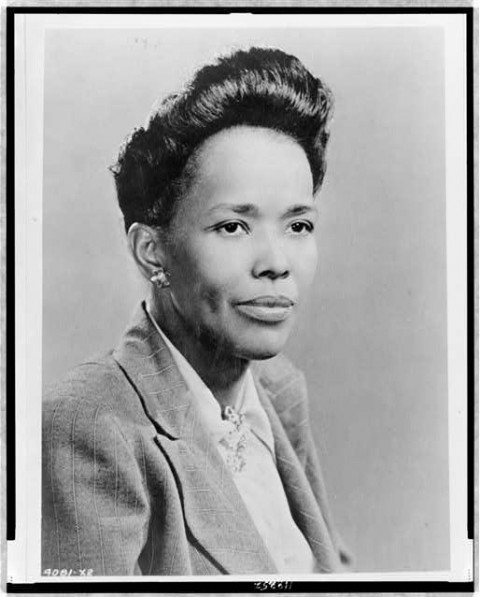
In my college days, I had the privilege of knowing Bob Moses, of Freedom Movement reknown. He mostly spoke to us about issues of the day, always in a way that challenged our thinking and pressed us to think about what was calling our generation forward. He had taken a page from Ella Jo Baker’s book, focusing on building our capacity and confidence to shape our own agenda. We rarely talked about his Movement experiences and I was a little intimidated about asking a living legend about those days.
Early attempts to link Occupy Boston and community efforts focused on related issues have me thinking how best to share lessons and wisdom without squashing the enthusiasm of the younger folk. Younger folk—what kind of elders do you need? And older folk—what kind of elders do you want to be?
Leave a commentMy visit to #occupywallstreet
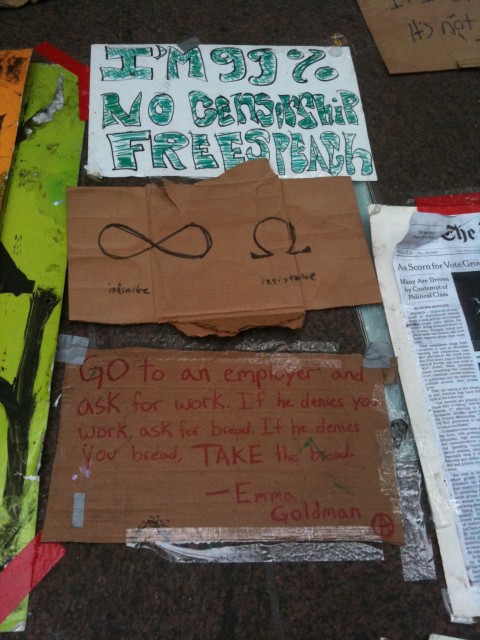
I made it out to #occupywallstreet last Friday night. Here is how my experience unfolded:
1. Culture Shock
I’m into showers, they’re not. I’m in my mid-thirties, grew up in a working class Puerto Rican community and I’ve been yupified over the years. I didn’t see a lot of people of color and I wasn’t feeling the vibe. I wondered how people from my community could ever make a link to this crowd. I was welcomed to walk around, curiously browsing, checking out the scene, the art and the people.
Leave a commentWalk Out, March On
“My heart is moved
by all I cannot save
so much has been destroyed.
I have cast my lot
with those who age after age,
perversely,
and with no extraordinary power,
reconstitute the world.”
-Adrienne Rich
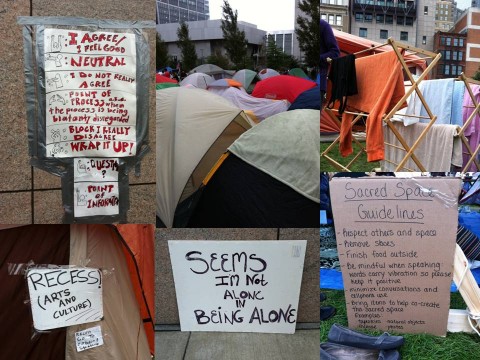
I spent a couple of hours at Occupy Boston this weekend and a couple more hours on line reading about Boston, New York and the burgeoning movement in cities across the country. The issues in Boston are wide and varied, including student debt, unemployment, corporate “personhood” and greed, foreclosure prevention, and “deep green resistance.” Everything is loosely connected under the banner of the “99%” who want to “take our country back.”
Leave a commentRemembering Wangari Maathai- Twice in a lifetime
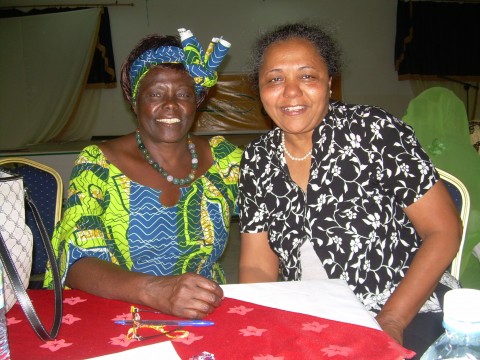
By now you have heard that Wangari Maathai has died. I feel especially blessed to have met this remarkable woman before and after she became known on the world stage.
Leave a commentTroy Davis-NYC

I apologize to the passionate and brilliant Hena Ashraf for failing to link this post to her blog. My friend Saulo Colon shared her story with me and I wrongly assumed he had written it.
I woke up today as I’m sure many of you did thinking of how I get to wake up today, and Troy Davis doesn’t. I thought about how this country kills innocent people abroad and at home. And I felt immense frustration at the recent news of how much the NYPD targets and monitors the Muslim community. I went to the Troy Davis rally that took place last night at Union Square at 5pm.
Leave a commentOccupy Wall Street
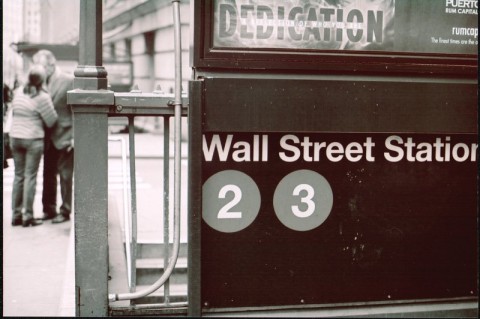
Photo By: Procrastinations
I spend a lot of my time plotting the next revolution. Considering what it will take to usher forth the next movement. Preparing myself to participate. Sifting through the preconceptions of what movement has to look like. Calling forth the evolution of revolution itself. Instigating, prodding, inviting, conspiring, hoping.
6 Comments