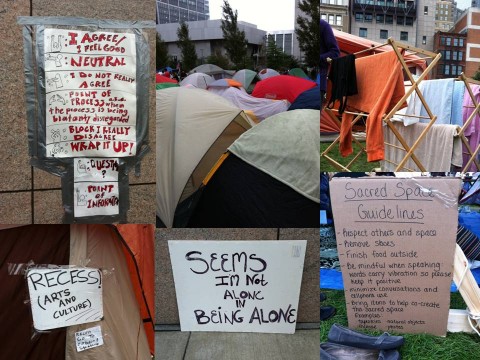
The first person I met when I went to Dewey Square was a mom, about my age, who came down to see what her son was involved with. I have sons in this age range myself. Occupy Boston has me thinking a lot about what kind of elders we need and what kind of elder I hope to be.
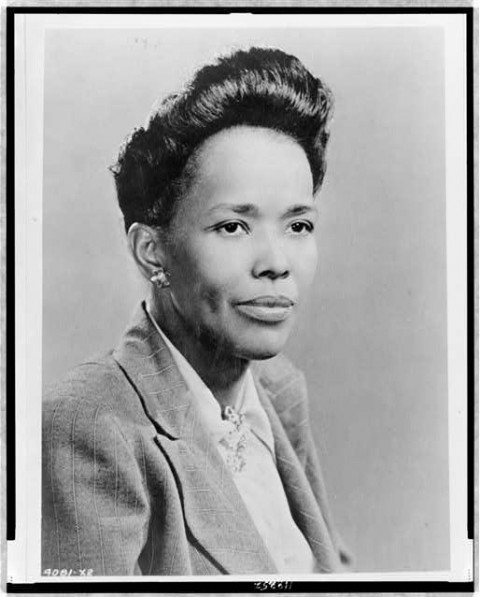
In my college days, I had the privilege of knowing Bob Moses, of Freedom Movement reknown. He mostly spoke to us about issues of the day, always in a way that challenged our thinking and pressed us to think about what was calling our generation forward. He had taken a page from Ella Jo Baker’s book, focusing on building our capacity and confidence to shape our own agenda. We rarely talked about his Movement experiences and I was a little intimidated about asking a living legend about those days.
Early attempts to link Occupy Boston and community efforts focused on related issues have me thinking how best to share lessons and wisdom without squashing the enthusiasm of the younger folk. Younger folk—what kind of elders do you need? And older folk—what kind of elders do you want to be?
I spent a couple of hours at Occupy Boston this weekend and a couple more hours on line reading about Boston, New York and the burgeoning movement in cities across the country. The issues in Boston are wide and varied, including student debt, unemployment, corporate “personhood” and greed, foreclosure prevention, and “deep green resistance.” Everything is loosely connected under the banner of the “99%” who want to “take our country back.”
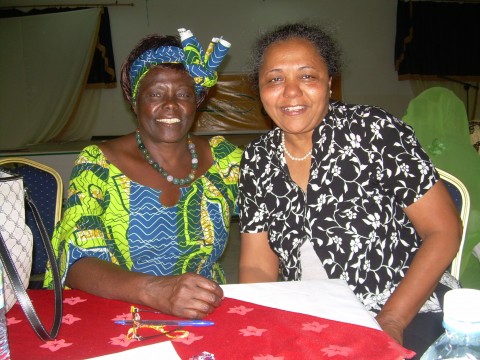
By now you have heard that Wangari Maathai has died. I feel especially blessed to have met this remarkable woman before and after she became known on the world stage.
A few weeks ago, in a post called Who do we think we are?, Curtis Ogden, retold the story of a Native American elder. At the start of a meeting about ecology with non-Native physicists, she concluded her introduction by saying “This is who I am. The features of the land determine my conduct, responsibility, and ethics. Now I want to know to whom I am talking, before I say anything else of substance.” This gave rise to Curtis’ question “What do we lift up as markers of our identity?” The ensuing rich discussion focused on the links between our identities and the land.
I spent last week alternately avoiding and arguing out loud with the wall-to-wall media coverage of the 10th anniversary of September 11, 2001. I started to hear—mostly through the silences and omissions—many lessons that seem still to be unlearned.
What do I want badly enough to investin pursuing it—in spite of the obstacles and competing claims on my time and attention, in spite of the risks and the guarantees of uncertainty, in spite of the risk of rejection and the possibility of failure?
I have asked this question for a couple of weeks running. I offered a few thoughts from a Barbara Kingsolver quote to get the conversation started: “elementary kindness…enough to eat, enough to go around… the possibility that kids might one day grow up to be neither the destroyers nor the destroyed.
Shivers advises: “When you say no to most things, you leave room in your life to throw yourself completely into that rare thing that makes you say ‘hell, yeah!’ ” Sounds a lot easier to me than it actually is. What’s your experience?
I ended my last post with the question: What do we want badly enough to pursue it? Barbara Kingsolver gives us some ideas in Animal Dreams.
“The very least you can do in your life is to figure out what to hope for. And the most you can do is live inside that hope. Not admire it from a distance but live right in it, under its roof.”
All the wisdom and spiritual traditions give us beautiful things to hope for—completion, salvation, an end to suffering, a world of beauty and peace.
In case you missed my earlier posts in this series, I am raising a series of questions about power and privilege in social change work at the invitation of the “Walk the Talk” zine/book project.
Today is the final post in this series. I want to end with a deceptively simple question.
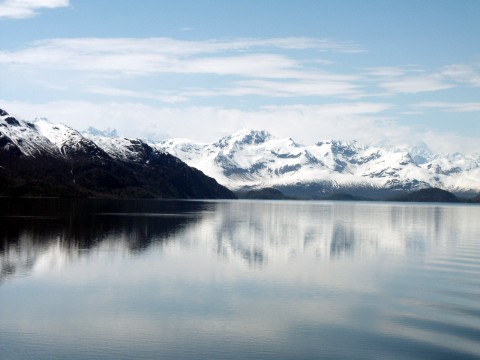
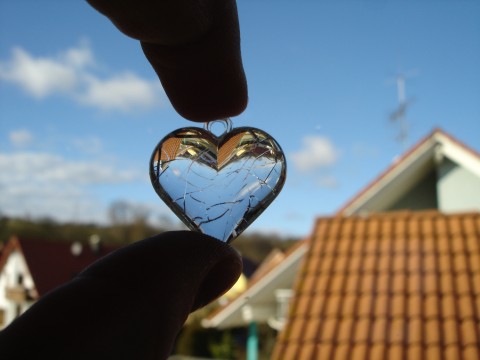
Picture was taken by Dmitri Markine. Check out this amazing portfolio!
In case you missed my earlier posts in this series, I am raising a series of questions about power and privilege in social change work at the invitation of the “Walk the Talk” zine/book project. Prior questions included:
“How do I handle my privileges responsibly and avoid the “oppression Olympics?”
How do I figure out which privileges to leverage, which to minimize and which to divest?
When is it more responsible to “hold the bag” and when is it more important to “let the ball bounce?” and What has my contribution been and how do my colleagues of color see me?
How do we “undo racism” without also “undoing race?” And, how do we “undo race” without leaving racism in place?
In case you missed my earlier posts in this series, [include hyperlink to first post], I am raising a series of questions about power and privilege in social change work at the invitation of the “Walk the Talk” zine/book project. Prior questions included:
“How do I handle my privileges responsibly and avoid the “oppression Olympics?”
How do I figure out which privileges to leverage, which to minimize and which to divest?
When is it more responsible to “hold the bag” and when is it more important to “let the ball bounce?” and What has my contribution been and how do my colleagues of color see me?
Today I want to pose two related questions. Read More
In case you missed my earlier posts in this series, I am raising a series of questions about power and privilege in social change work at the invitation of the “Walk the Talk” zine/book project. Prior questions included: