This is the third of a four part series, sharing some of the lessons IISC and Horsley Witten Group learned in our efforts to support RhodeMap RI in weaving social equity into its regional planning process, and particularly our facilitation of the project’s Social Equity Advisory Committee.
Lesson 3. Build the capacity and culture within public planning institutions to focus on equity and to facilitate broad-based public engagement.
Most planning agencies, regulators, and planning consultants are not well equipped to take on the challenge of seriously engaging communities that chronically experience social inequities. As a planning agency prepares to launch a planning process, it needs to build both a culture and capacity that welcomes and supports engaging community members. This often begins with acknowledging the expertise that comes from lived experience, and the awareness that the agency may not have all the knowledge and skill it needs to take equity seriously. Read More
This is the second of a four part series, sharing some of the lessons IISC and Horsley Witten Group learned in our efforts to support RhodeMap RI in weaving social equity into its regional planning process, and particularly our facilitation of the project’s Social Equity Advisory Committee.
Lesson 2. Design the process for maximum and meaningful involvement, particularly of those who are most directly affected by the inequities, and build the community’s capacity and infrastructure to participate in the process.
This is the first of a four part series, sharing some of the lessons IISC and Horsley Witten Group learned in our efforts to support RhodeMap RI in weaving social equity into its regional planning process, and particularly our facilitation of the project’s Social Equity Advisory Committee.
Lesson 1: Weave equity into the planning process AND the content of the resulting plans. Read More
On this day of remembering the Reverend Dr. Martin Luther King, Jr., many will engage in service projects – a good thing, to be sure. But rarely do service projects change the social arrangements that produce such great needs. This year, there will be real efforts to “reclaim MLK Day” by engaging in protest and other acts to highlight the systemic injustices and call for systemic change.
In a recent TEDx talk, attorney and diversity consultant Verna Myers shares powerful stories and three concrete ways we can all intervene on our own and others’ biases and help stop the violence against young black men:
“Get out of denial!” Acknowledge unconscious bias; “stare at awesome black people!” and look for data that discomfirms stereotypes.
“Move toward young black men instead of away from them. Go away from your comfort into a bigger, brighter thing.”
“When see something, we have to have the courage to say something, even to the people we love … and not shelter our children from the ugliness of racism. We have an amazing country with incredible ideals … but we are not done yet …
I have earned a reputation among family and friends as being “no fun” or “too serious” for pointing out the oppressive underpinnings of many elements of popular culture and U.S. traditions. At the risk of reinforcing that reputation, I want to offer a few reflections as Thanksgiving approaches. Read More
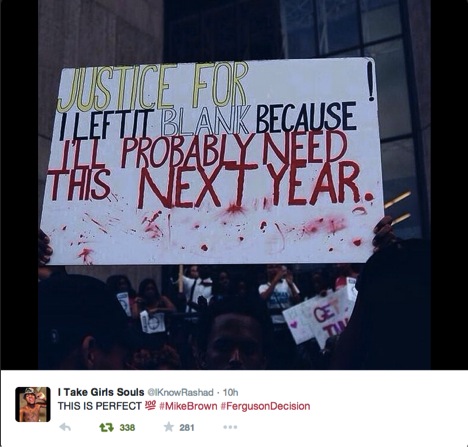
I wish we would only need that sign in another year. It’s crazy to me that it’s already relevant, and that its relevance stretches far into the past as well. In just the past few days alone, Tamir Rice, Tanisha Anderson, and Akai Gurley all died at the hands of police. Twelve-year old Tamir Rice was shot by police while playing with a BB gun in a Cleveland park. Tanisha Anderson died in a police “take down” when she resisted being taken in for mental health services, though her family called for an ambulance, not police. Akai Gurley was killed by a rookie cop in a dark hallway in the Pink Houses in Brooklyn. Gurley was described by Police Commissioner Bratton as a “total innocent” who was shot in an “accident.” His death has already been ruled a homicide. Read More
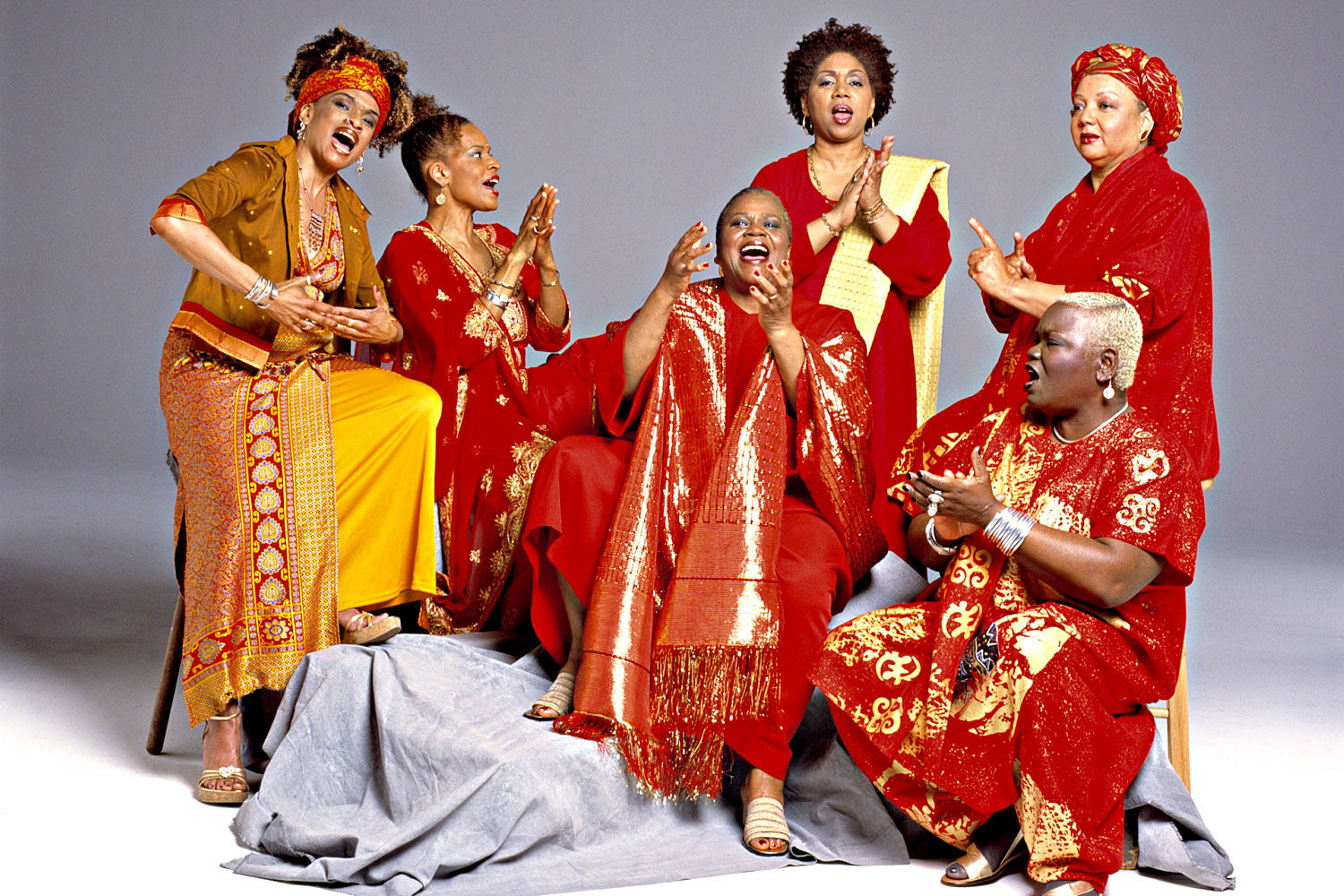
Sitting with the grand jury verdict in the killing of Michael Brown, I’m reminded of a blues song that I first heard sung by Sweet Honey in the Rock more than 30 years ago. It’s as poignant today as it was then.
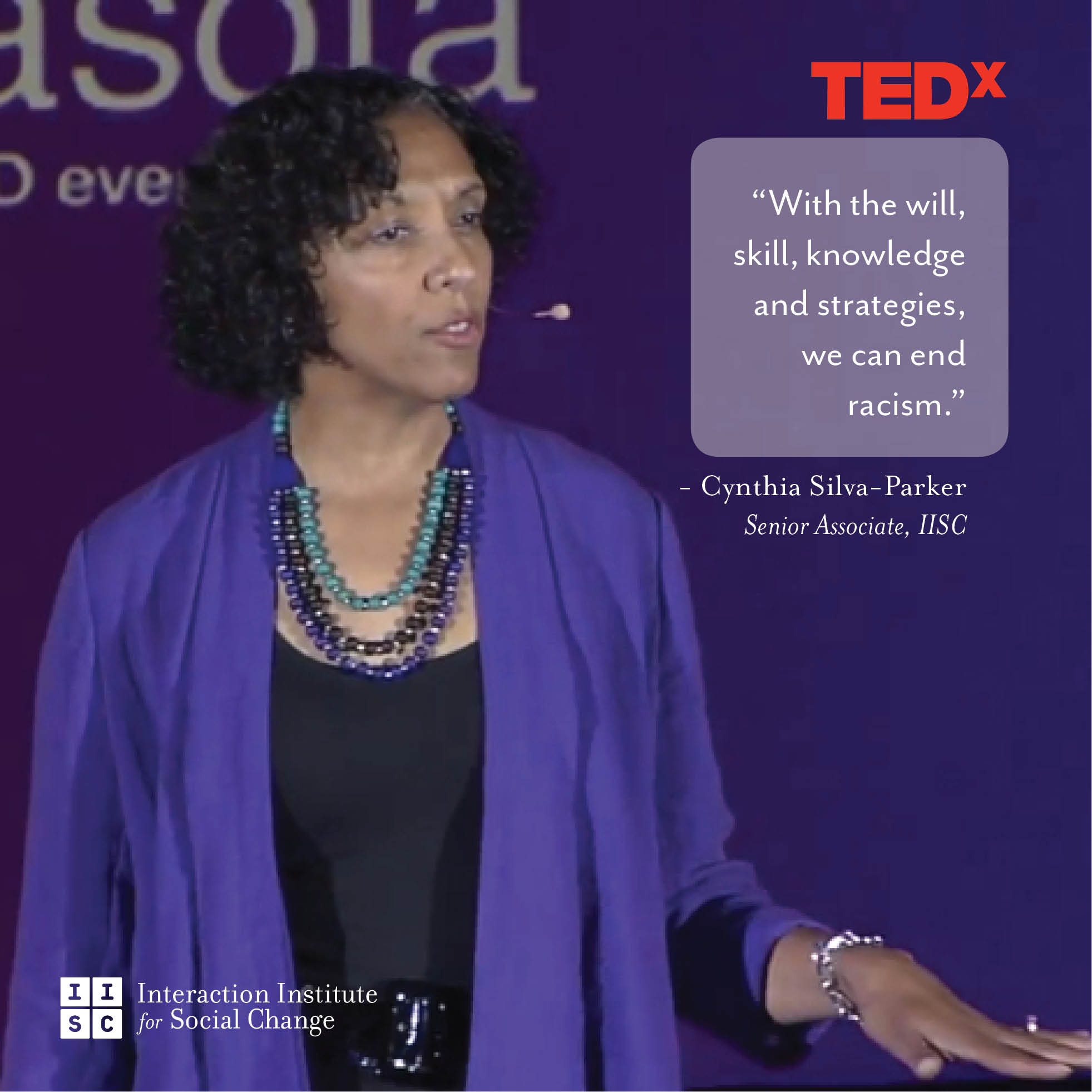
We are pleased to announce the release of Senior Associate Cynthia Silva Parker’s TedX talk. Cynthia shares moments she’s witnessed racism, and how she thinks we can end it. We hope you share this talk with your networks.
Cynthia has spent decades helping people understand how the system of racism operates. As Senior Associate at Interaction Institute for Social Change, she designs and facilitates collaborative equity and inclusion initiatives. These initiatives make change in organizations, cities, and networks. Cynthia also trains leaders through our public workshops.
She is a life-long advocate for racial equity and social justice, and for deeper awareness of each in our systems and organizations and the wider society. She focuses her observations, personal stories and career on strengthening collaborative networks by building the will, skill, knowledge and strategies to undo racism together.
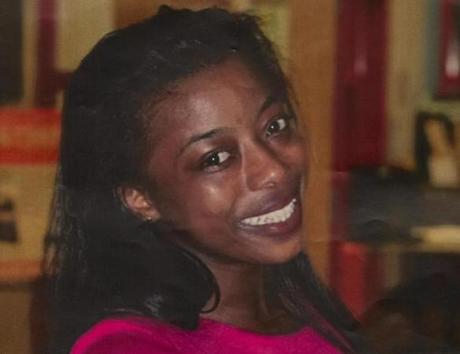
Sadly, I am writing yet another memorial post, in a summer that has seen too much tragedy. This weekend, Boston laid to rest Dawnn Jaffier. By all accounts, she was a remarkable young woman who lived a life of service and love. Over the past several days, many young people have testified to Dawnn’s positive influence on their lives and many promised to continue to live as she lived, investing in the lives of young people. This time, death came at the hands of an 18 year-old young black man, allegedly bent on retaliation. Jaffier was innocently caught in the crossfire. While some are calling for an end to the festival and parade that provided the backdrop for this tragedy, I think her death cries out for renewed efforts to intervene in the complex system of internalized oppression – a system that cultivates within black people ourselves a belief in the marginal value of black life – and in a system of structural racism that allows gun trafficking to flourish despite the costs and continues to lock too many men of color out of the kinds of opportunities that could compete with the call of the streets. Dealing with either side of the equation without the other seems a fruitless endeavor.
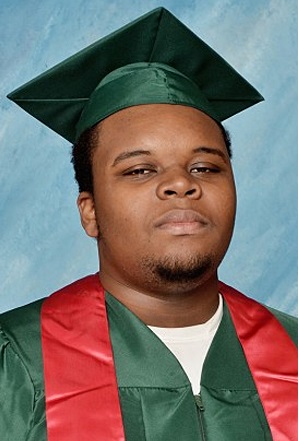
This morning, Michael Brown is being remembered. The country’s attention is shifting for the moment from the caustic, racially charged circumstances that led to his death, to a celebration of his life. You can watch it live right now via Colorlines.
In my early days many of my friends called me too serious because of comments I would make about the racism and sexism in a Disney film or the rampant misogyny and conspicuous consumption in popular music. My kids still think so. But having come to see systems of oppression, it’s hard for me to “un-see” them when I turn to entertainment. Spoken word poet Madiha Bhatti puts out a powerful message. Much better to listen to the whole thing, but check out the refrain to whet your appetite!