Posted in Uncategorized
October 22, 2013

|Photo by Britt Reints|http://www.flickr.com/photos/23724661@N00/8672736002/in/photolist-edo3g5-bLLq6D-9TNBMk-9K8JD7-877WgZ-87b9gq-87b9J9-87b8db-87b9Zd-877WJK-87bai7-8yUg5m-aBjCdA-cZRB4S-dZibct-bdNMCr-7UxW4y-9TNCwM-9KfTc9-7CXm6D-djaFhx-7NCbqY-fm2CKt-fUCwSF-a7ofHQ-7Za1Bg-dsQ3GS-bqCBEg-8T3Hzn-cRpQcA-djaFet-e3RwjX-9KY7rx-atQEAm-7yZwfM-7yXPYm-84QSeo-cnHVSd-axtohs-8PDUBW-7Nyd36-cu1VmW-9acyQz-dDK9E9-dDK9Hd-9pUsHG-a64ak1-7RfDxU-fCPjk6-9VpVpq-85UK7p|
With appreciations to Carole Martin for passing this along, I wanted to offer this poem as a reminder of the important role of listening in helping to create trust and grounded-ness in the work of social change . . .
Finding What You Didn’t Lose
When someone deeply listens to you
it is like holding out a dented cup
you’ve had since childhood
and watching it fill up with
cold, fresh water. Read More
October 22, 2013
|Photo by Britt Reints|http://www.flickr.com/photos/23724661@N00/8672736002/in/photolist-edo3g5-bLLq6D-9TNBMk-9K8JD7-877WgZ-87b9gq-87b9J9-87b8db-87b9Zd-877WJK-87bai7-8yUg5m-aBjCdA-cZRB4S-dZibct-bdNMCr-7UxW4y-9TNCwM-9KfTc9-7CXm6D-djaFhx-7NCbqY-fm2CKt-fUCwSF-a7ofHQ-7Za1Bg-dsQ3GS-bqCBEg-8T3Hzn-cRpQcA-djaFet-e3RwjX-9KY7rx-atQEAm-7yZwfM-7yXPYm-84QSeo-cnHVSd-axtohs-8PDUBW-7Nyd36-cu1VmW-9acyQz-dDK9E9-dDK9Hd-9pUsHG-a64ak1-7RfDxU-fCPjk6-9VpVpq-85UK7p|
With appreciations to Carole Martin for passing this along, I wanted to offer this poem as a reminder of the important role of listening in helping to create trust and grounded-ness in the work of social change . . .
Finding What You Didn’t Lose
When someone deeply listens to you
it is like holding out a dented cup
you’ve had since childhood
and watching it fill up with
cold, fresh water. Read More
October 8, 2013

“Love” is now a category on the IISC Blog. How appropriate! Love is one of the three lenses that give shape to our work. And love is at the very heart of this project of social transformation. Love is path and goal. Love is how we get there and it is where we want to go.
Read More
October 6, 2013

We often focus on the understanding of power as a process and as a social construct rather than a fixed asset. As Beth Roy says, “power is not something you have; it’s something you do.”
Read More
October 4, 2013
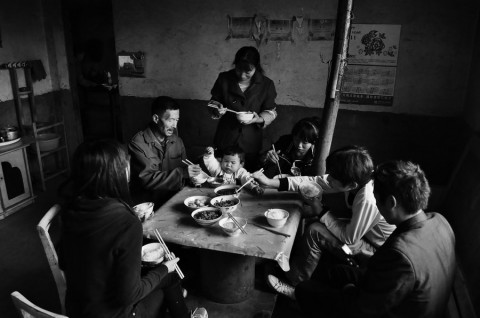
The origins of hospitality as a sacred and esteemed practice are rooted in providing shelter and safety to the stranger. It is the ancient art and practice of offering your very best to another, with no expectation of reward. Whether you learned this practice in your grandmother’s parlor or at an Art of Hosting workshop, you know that hospitality is the essence of facilitative leadership.
Read More
September 30, 2013
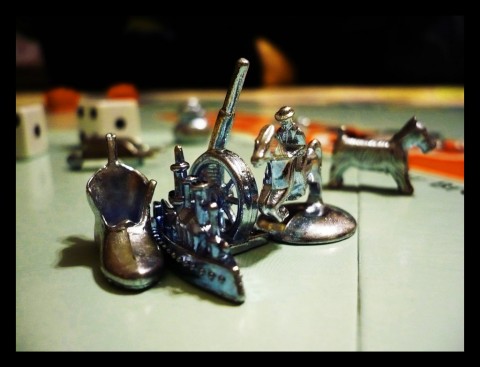
I have been thinking about today’s post for days. But, with the possible shutdown of the federal government, I wanted to raise a few questions and concerns. We have a (theoretically) representative form of government, which begs the question whose interests are actually being represented by the gridlock in Washington? Read More
September 26, 2013

|Photo by Denise Krebs|http://www.flickr.com/photos/56041749@N02/6505676869/in/photolist-aUTi5z-b8fQp6-8vP3az-8vS5Gw-8vP6yc-df3uDo-9ajyDy-9ajyGj-9uwZsS-8xEyPM-a9Sswa-838T1L-838T29-838T2o-7EEiRH-9K1FZL-dPJmcY-9z759H-9qnBXs-aoqz7f-aonL2P-aonJXi-aonNiT-aoqwaS-aonMhc-aonLrp-aonMWr-aonKPK-eRPkFi-7HdeeN-8LifKY-7SSJvk-8giPCy-7HzRRr-7HzRXp-7HDMMm-7HDMRs-7HzRZH-7HzRVB-8TVkao-8brUvi-7AvmtM-7Az7Xm-7AvmvZ-8SNtK4-aoqvKQ-aonMJz-aoqy3L-aonLRP-aoqxBW-aoqvXy|
During his presentation at this week’s Council of Foundations Conference for Community Foundations, the Monitor Institute’s Gabriel Kasper talked about the need for innovation in community philanthropy. This included a call to examine orthodoxy in our organizations and communities, that is, the behaviors and procedures that we often take for granted with respect to the way we go about our business. This notion of orthodoxy was developed by the innovation firm Doblin and is further outlined in an article in Rotman Magazine. Gabriel then encouraged attendees to, essentially, “steal like an artist.” So in that spirit, I wanted to share the plenary exercise he had participants go through that I am particularly interested in bringing to some of the networks with which I work: Read More
September 23, 2013

Several persistent questions keep us learning and experimenting.
How do we avoid re-traumatizing people of color in this work? Often, people of color in racially mixed learning spaces bear the burden of teaching through telling their own stories. While sometimes liberating, this can also re-open wounds and create resentment at having to prove one’s reality to people who may be reluctant to accept what they have not experienced. And, over time, it can be disheartening to keep extending grace to different people in different spaces for the same mistakes. Racially homogeneous caucuses are one useful antidote. How else can we avoid these dynamics, particularly working in mixed-race settings?
Read More
September 15, 2013

The following post is part 2 of a 2 part series on some collaborative tools and strategies to help us change our selves, change our organizations and change the world. We hope you find it helpful. We encourage you to join the conversation!
We are compelled by a quote from Theory U, attributed to William O’Brien “The success of an intervention depends on the interior condition of the intervener.” Collaborative tools and strategies are only truly useful in the hands of practitioners whose hearts are big enough to hold the complexities, struggles, hopes and fears that accompany the work of transforming racism. Read More
September 10, 2013

I’m proud to call Billy Parish a friend; he is an incredibly sweet person. I am a fan of his commitment and imagination. I’ve been hearing about his company, Mosaic, since it was but an idea. I was blown away to see it featured in today’s New York Times – A Bet on the Environment. Read More
September 8, 2013

The following post is part 1 of a 2 part series on some collaborative tools and strategies to help us change our selves, change our organizations and change the world. We hope you find it helpful. We encourage you to join the conversation!
We are compelled by a quote from Theory U, attributed to William O’Brien “The success of an intervention depends on the interior condition of the intervener.” Collaborative tools and strategies are only truly useful in the hands of practitioners whose hearts are big enough to hold the complexities, struggles, hopes and fears that accompany the work of transforming racism. Read More
September 6, 2013

